Choosing a cosmetic clinic is an important decision, particularly when a treatment can affect your appearance, confidence and wellbeing. Whether you are considering injectables, skin treatments, laser procedures or another cosmetic service, researching the clinic beforehand can help you make an informed decision.
Not all cosmetic clinics offer the same level of care, expertise or service. Looking beyond websites and promotional offers can help you find a clinic that prioritises safety, appropriate treatment and individual needs.
Checking Qualifications and Experience
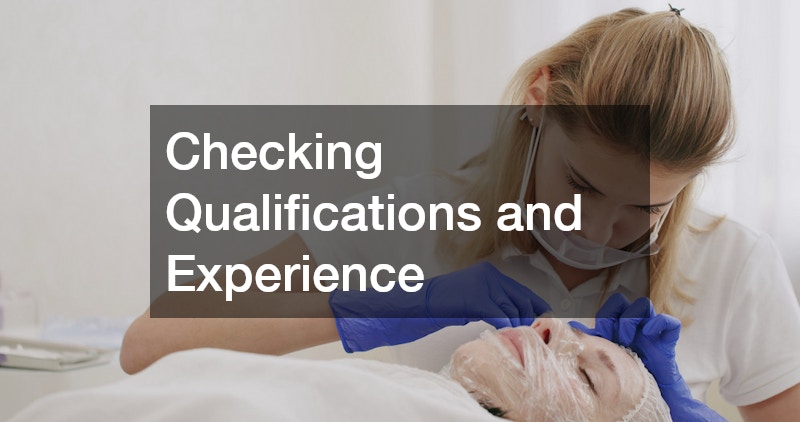
One of the first qualities to consider is the experience and qualifications of the practitioners providing treatments. Cosmetic procedures should be performed by appropriately qualified professionals with relevant training and experience.
Ask who will perform your treatment and whether they regularly provide the specific procedure you are considering. A clinic should also be transparent about its practitioners and their professional backgrounds.
Experienced practitioners should be able to explain the potential benefits, limitations and risks of a treatment. This information can help you determine whether a procedure is suitable for your circumstances.
Prioritising Safety and Hygiene
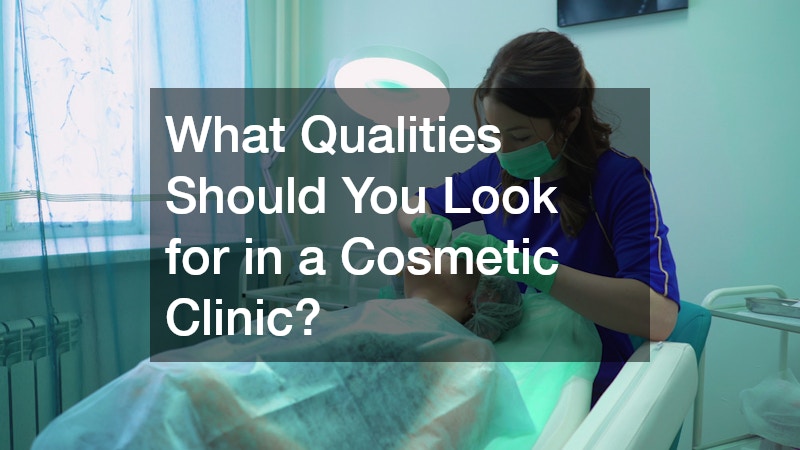
Safety should be a key consideration when comparing cosmetic clinics. A professional clinic should maintain appropriate hygiene standards, use suitable equipment and follow procedures designed to minimise potential risks.
During an initial visit, pay attention to the condition of the treatment rooms and general facilities. The environment should appear clean, organised and appropriate for the services provided.
A quality clinic should also explain potential side effects, risks and aftercare requirements before treatment begins. Be cautious of providers who minimise these considerations simply to encourage you to proceed.
Offering Thorough Consultations
A thorough consultation is another important quality to look for. Your practitioner should take time to understand your goals, expectations and relevant medical information before recommending a procedure.
Be cautious of clinics that immediately recommend treatments without discussing your needs. A suitable treatment plan should be based on your circumstances rather than a standard package or promotional offer.
A consultation should give you an opportunity to ask questions about desired results, potential risks, recovery time and how long results may last. Clear communication can help ensure your expectations are realistic.
Providing Honest Advice
Cosmetic treatments can produce noticeable changes, but no procedure can guarantee perfection. Look for a clinic where practitioners communicate honestly about what a treatment can and cannot achieve.
Responsible practitioners should be prepared to recommend against a procedure if it is unsuitable for you. They may also explain alternative options where appropriate.
Be wary of unrealistic promises or guarantees. Professional advice should focus on realistic outcomes and your individual needs rather than simply encouraging you to book a service.
Using Quality Products and Equipment
The products and equipment used by a clinic can also affect your experience. Ask which products will be used during your treatment and whether the practitioner can provide information about them.
Depending on the procedure, you may also want to ask about the equipment being used and whether practitioners have received appropriate training. A reputable clinic should be able to answer reasonable questions about its products, technology and treatment processes. This transparency can help you understand what the treatment involves and what you are paying for.
Reviewing Reputation and Patient Feedback
Online reviews can provide useful insight into other patients’ experiences, although they should not be your only consideration. Look for common themes across multiple reviews rather than relying on one positive or negative comment. Consider feedback about communication, professionalism, cleanliness, appointments and follow-up care. You can also see how the clinic responds to concerns or complaints. Strong marketing does not necessarily indicate high-quality clinical care. Comparing reviews with information about the clinic and its practitioners can provide a broader picture.
Considering Aftercare and Support
Your experience should not necessarily end when you leave the treatment room. Depending on the procedure, appropriate aftercare may be important for managing potential side effects and supporting recovery.
Ask what support is available after your appointment and who you should contact if you have concerns. A clinic should provide clear aftercare instructions and explain when additional assistance may be required. For treatments requiring multiple appointments, ask how follow-up care is handled and whether ongoing appointments will be with the same practitioner.
Comparing Value Instead of Price Alone
Cost is naturally an important consideration, but choosing the cheapest option may not always provide the best value. Differences in products, equipment, practitioner experience and service can all affect pricing.
Instead of comparing prices alone, consider what is included in the treatment and the overall quality of care. A clinic offering qualified practitioners, detailed consultations, appropriate aftercare and clear communication may provide greater value than a cheaper alternative.
Ultimately, choosing between cosmetic clinics should involve more than comparing prices or promotional offers. Qualifications, safety, communication, realistic advice, product quality, reputation and aftercare can all help you determine whether a clinic is suitable for your needs. Researching these qualities before booking can help you make a more informed decision and know what to expect from your treatment.