Buying a new home is one of the biggest financial decisions most families will ever make, and choosing the right approach can make a significant difference to both short-term affordability and long-term satisfaction. Many buyers are drawn to the simplicity of bundled property options, especially when they include both a house design and a block of land in one streamlined process. However, even with this convenience, it is still essential to understand how costs are structured and what factors can influence the final price.
While the concept may seem straightforward at first, there are often hidden variables that can affect affordability, such as site preparation costs, upgrades, and ongoing maintenance expenses. This is why careful planning is essential before committing to any purchase.
Families should take the time to evaluate not just the initial price, but also how the overall package fits within their long-term financial goals. Understanding what is included—and what is not included—can help prevent unexpected financial pressure later on.
Understanding What Is Included in the Price
One of the most common mistakes buyers make is assuming that the advertised price reflects the full cost of the home. In reality, there can be significant differences between base pricing and the final amount paid once construction is complete. It is important to carefully review what is included in any advertised offer, as standard inclusions may vary between providers.
Some packages may include basic fixtures and fittings, while others may only cover the structure itself, requiring additional payments for flooring, landscaping, or upgraded appliances. Site costs can also vary depending on soil type, slope, and access to utilities. These factors can add thousands of dollars to the overall budget if not properly accounted for in advance.
When reviewing home and land packages, it is essential to request a detailed breakdown of all costs involved. This includes understanding provisional sums, allowances, and any potential variations that may arise during construction. Having clarity at this stage helps prevent surprises and ensures that the project remains financially manageable from start to finish.
Matching the Package to Your Long-Term Budget
Budgeting for a new home should go beyond the initial purchase price. Families need to consider long-term affordability, including mortgage repayments, utility costs, maintenance, and potential lifestyle changes over time. A home that appears affordable upfront may become financially stressful if ongoing costs are not carefully considered.
It is also important to assess how your financial situation may change in the future. For example, growing families may require additional space, which could increase utility usage and maintenance expenses. Interest rate changes can also affect monthly repayments, so building a buffer into your budget is always a wise approach.
Before committing, it is helpful to compare multiple options and assess how each one aligns with your financial comfort zone. Avoid stretching your budget too tightly, as unexpected costs are common in construction projects. A conservative approach can provide greater peace of mind and reduce financial pressure once you move in.
Location, Lifestyle, and Hidden Costs
The location of your new home plays a major role in both lifestyle satisfaction and overall cost. While some areas may offer more affordable entry prices, they may also come with additional expenses such as longer commutes, limited public transport, or fewer nearby services. These factors can add indirect costs to your daily life.
It is also important to consider infrastructure development in the surrounding area. New estates may require time before schools, shops, and medical facilities are fully established. While this can offer long-term growth potential, it may create short-term inconvenience for families.
When evaluating home and land packages, it is helpful to visit the area at different times of day and speak with residents if possible. This can provide insight into traffic patterns, noise levels, and community atmosphere. Understanding these details helps ensure the location aligns with your family’s lifestyle needs, not just your financial expectations.
Working with Developers and Builders
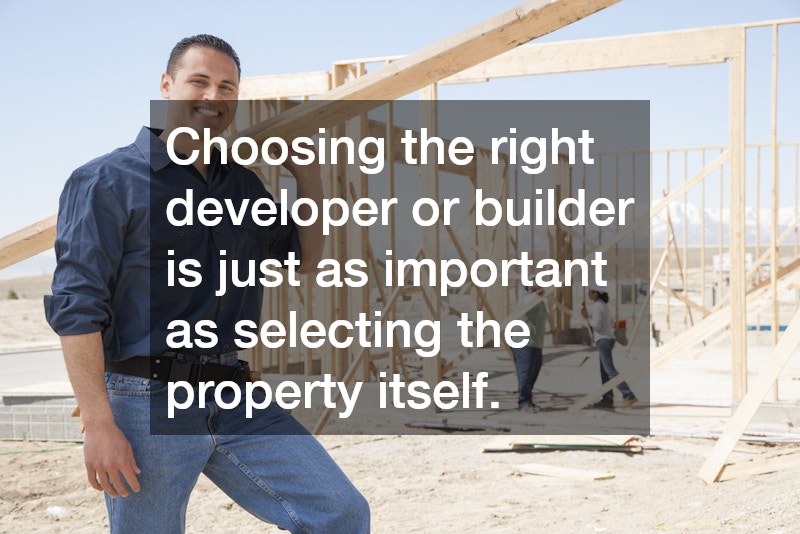
Choosing the right developer or builder is just as important as selecting the property itself. Reputation, experience, and transparency all play a key role in ensuring a smooth construction process. It is advisable to research past projects, read reviews, and speak with previous clients if possible.
Contracts should always be reviewed carefully before signing. Pay close attention to timelines, payment schedules, and included services. Any unclear terms should be clarified in writing to avoid misunderstandings later on. A reliable builder will be open and transparent about costs and processes.
When purchasing home and land packages, working with reputable professionals can significantly reduce risk and improve the overall experience. A well-managed project is more likely to stay within budget and be completed on time, which is especially important for families planning a move.
Selecting the right home solution requires careful thought, financial planning, and a clear understanding of both short-term and long-term goals. While bundled property options can simplify the process, they still require detailed evaluation to ensure they align with your budget and lifestyle needs.
Families should take the time to understand what is included in pricing, assess ongoing costs, and consider how location and upgrades may affect overall affordability. It is also important to choose experienced professionals who can guide the process and reduce the risk of unexpected issues during construction.
By approaching the decision with a balanced and informed mindset, buyers can avoid common pitfalls and make choices that support long-term stability. Careful planning at the beginning can lead to a smoother building experience and a home that truly suits the needs of the household. Ultimately, the right approach ensures that your investment is not only financially sound but also a strong foundation for future family life.