Understanding the process of building a home on newly acquired property for sale entails navigating through a series of essential steps and considerations. This detailed guide will walk you through the pivotal points of construction planning, permitting, budgeting, and execution to ensure a seamless building experience.
Whether you’re envisioning a cozy cottage or a modern architectural marvel, thorough preparation is key.
The journey from land acquisition to a fully realized home is dotted with challenges and decisions that can significantly impact the outcome. Factors such as site preparation, choosing the right design, and managing finances are crucial elements that need careful planning. It’s beneficial to approach this venture with ample research and guidance to minimize pitfalls.
This article aims to address common queries and clarify intricate details involved in home building, making it a less daunting task for prospective homeowners. By equipping yourself with knowledge and insights shared here, you are better positioned to tackle each phase of construction with confidence and professionalism. Let’s embark on this transformative journey together.
What are the essential steps to prepare the site before construction?
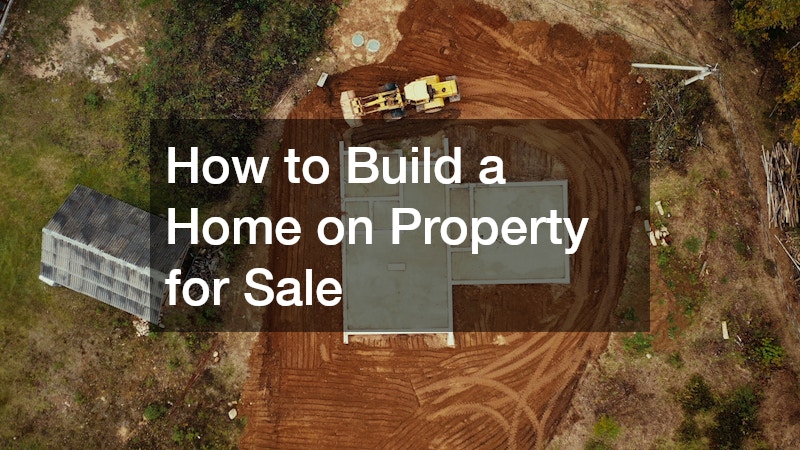
Site preparation is the first crucial step in the construction process of building a home. It involves a thorough site evaluation to assess the land’s geographical and topographical conditions. This includes checking soil stability, drainage capabilities, and any restrictions that might be in place due to zoning laws. Proper site preparation ensures a strong foundation and can prevent future issues such as flooding or structural instability. It’s also essential to clear the land of any debris, vegetation, or existing structures that could interfere with the build.
Once the initial evaluation is complete, obtaining the necessary permits is the next critical step. Permitting is a legal requirement that varies widely by location and dictates what can be built and how. This process often involves submitting detailed plans to local authorities and ensuring that your designs comply with building codes and safety regulations. It can be a time-consuming process, so it’s vital to begin early and consult with professionals to streamline approvals. Educational resources and professional consultations can significantly aid in navigating this complex process.
How to choose the right home design and builder?
Choosing the right home design is a blend of aesthetics, practicality, and budget considerations. It’s vital to start by identifying your lifestyle needs and preferences, such as the number of bedrooms, the type of living spaces, or energy-efficient features you desire. You may wish to browse architectural magazines, websites, or attend home shows to gather inspiration and make informed decisions on design elements. Consulting with an architect can also provide insight into innovative solutions, optimal space utilization, and bespoke design options that align with your vision. By refining your preferences, you can create a cohesive plan that guides the entire design process.
After settling on a design, selecting the right builder is pivotal to bringing your vision to fruition. Begin by researching and compiling a list of potential builders with a proven track record of quality and reliability. Review their past projects, client testimonials, and credentials to gauge their competency and fit for your project. Once you have shortlisted candidates, engage in detailed discussions to assess their approach, communication style, and project management capabilities. A dedicated and skilled builder can provide valuable insights, ensure compliance with design and safety standards, and turn your design dreams into reality.
What factors should be considered for budgeting the project?
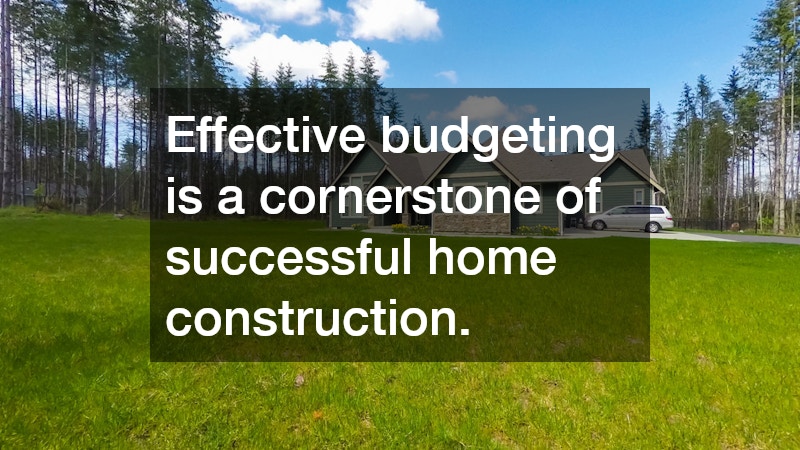
Effective budgeting is a cornerstone of successful home construction, ensuring that costs are managed and resources are allocated efficiently. It’s essential to start with a comprehensive budget plan that incorporates anticipated expenses such as land costs, materials, labor, permits, and miscellaneous fees. Obtaining multiple quotes for each aspect of the construction can help you compare prices and get the best value for your investment. Additionally, it is prudent to set aside a contingency fund of approximately 10-20% of your budget to handle unforeseen expenses or changes that may arise during the build.
Cost estimation should not only focus on the immediate financial requirements but also consider long-term ownership costs such as maintenance, utilities, and property taxes. Energy-efficient designs and sustainable materials, while potentially more expensive upfront, can reduce long-term expenses through lower utility bills and maintenance needs. Furthermore, exploring financing options such as construction loans or lines of credit can provide financial flexibility and ease cash flow concerns. Consulting with financial advisors or mortgage experts can help determine the best funding strategies tailored to your financial situation.
Building a home on your property is a complex and rewarding journey that requires careful planning and execution. By understanding the questions and concerns outlined, such as site preparation, design selection, and budgeting, you can confidently navigate the process and create a home that fits your lifestyle and needs. Each phase of construction presents unique challenges, but with thorough preparation and the right expertise, these challenges can be addressed efficiently.
The integration of strategic decision-making and expert guidance from architects, builders, and financial planners will elevate the quality and success of your home build. As you move from land acquisition to the finished home, patience and detailed attention throughout each stage are crucial. Remember that building a home is not merely about brick and mortar but about creating a space that reflects your identity and aspirations.
Ultimately, the satisfaction derived from living in a home that embodies your personal touch and careful planning is unparalleled. This journey, though demanding, will result in a custom-built sanctuary that offers comfort, functionality, and longevity. With determination, resourcefulness, and the insights shared in this article, you are well-equipped to transform your dream home into a reality.