Introduction
If you’re a parent, you know the struggle all too well: stepping on a rogue stuffed animal in the middle of the night, navigating a maze of plush toys, and trying to maintain a sense of order in your home. Stuffed toys are beloved companions for children, but without a proper storage system, they can quickly overwhelm bedrooms, playrooms, and even living areas. A cluttered home not only creates frustration for parents but can also pose safety hazards for little ones.
Proper stuffed toy storage is more than just tidying up; it’s about creating a safe, organized, and inviting environment for your children. Teaching kids to put away their toys helps instill responsibility and encourages good habits from an early age. Additionally, well-organized storage can help preserve your child’s toys, keeping them in better condition for longer. From preventing wear and tear to making cleanup routines faster, the benefits extend far beyond aesthetics.
In this guide, we’ll explore practical, stylish, and budget-friendly stuffed toy storage solutions suitable for families of all sizes and living spaces. Whether you’re dealing with a sprawling playroom, a small bedroom, or a shared family area, these strategies will help you reclaim your space and keep your child’s toys accessible yet organized. From creative DIY hacks to smart furniture choices and organizational systems, you’ll discover ways to make tidying up both easy and fun.
By the end of this article, you’ll have a wealth of ideas to transform messy toy chaos into a clutter-free, family-friendly home that encourages kids to stay organized while allowing parents to enjoy peace of mind.
Why Proper Stuffed Toy Storage Matters
A cluttered room full of stuffed animals may seem harmless at first glance, but without proper storage, it can lead to a range of challenges for both parents and children. One of the most important reasons to implement an organized toy storage system is safety. Loose toys on the floor are a common tripping hazard, especially for toddlers who are still developing coordination. By providing designated storage spaces—such as bins, baskets, or wall-mounted shelves—you can significantly reduce the risk of accidents and create a safer environment for your children to play.
Beyond physical safety, organized stuffed toy storage teaches responsibility and tidiness. When children know where their toys belong, they learn essential life skills like organization, accountability, and care for their belongings. Incorporating easy-to-follow storage systems, such as labeled bins or color-coded baskets, makes it simple for kids to participate in cleanup. This not only encourages independence but also helps them develop habits that will benefit them in school and everyday life.
Proper storage also reduces parental stress. A messy playroom or bedroom can feel overwhelming, especially when toys are constantly scattered around the house. With a structured storage solution, tidying up becomes quicker and less frustrating. Parents can spend more quality time with their children rather than constantly managing clutter.
Lastly, effective stuffed toy storage helps preserve the lifespan of your child’s toys. Storing toys properly prevents damage from crushing, dirt, or moisture, ensuring that beloved plush companions remain in good condition for years. This is especially valuable for special or sentimental items that you want to keep in pristine shape.
Implementing a thoughtful toy storage system is not just about creating a visually appealing space—it’s about enhancing safety, encouraging responsibility, reducing stress, and protecting the items your children love most.
Assess Your Space Before Choosing Storage
Before diving into stuffed toy storage solutions, it’s essential to take a step back and assess the space you have available. Every home is different, and what works in a spacious playroom may not suit a small bedroom. Begin by measuring the dimensions of the room and noting any areas that could be optimized for storage, such as under beds, corners, or unused wall space. Knowing your space limitations will help you choose solutions that maximize utility without overcrowding the room.
Next, consider multi-purpose furniture. In small or shared spaces, furniture that doubles as storage is invaluable. For example, storage ottomans, benches with hidden compartments, or beds with drawers underneath can store a significant number of stuffed toys while keeping the room tidy and functional. Multi-purpose pieces save floor space and reduce visual clutter, creating a more organized environment for both children and parents.
Another effective strategy is to identify different toy zones. Categorize stuffed toys into groups such as favorite daily toys, seasonal or holiday toys, and educational or themed collections. Assigning a specific storage area for each category not only keeps toys organized but also helps children easily find what they’re looking for and return items to their proper place. For instance, a dedicated bin for bedtime plush toys in the bedroom, a shelf for educational plush in the playroom, and a small basket for travel-friendly toys can streamline cleanup and rotation.
By carefully assessing your space, investing in versatile storage options, and organizing toys into clear zones, you can create an efficient system that reduces clutter, improves accessibility, and makes tidying up easier for everyone.
Stuffed Toy Storage Ideas by Room
Organizing stuffed toys effectively requires tailoring your storage solutions to the room and the amount of space you have. Different areas of the home—bedrooms, playrooms, and small spaces—present unique challenges and opportunities for keeping toys tidy and accessible.
Bedroom Stuffed Toy Storage
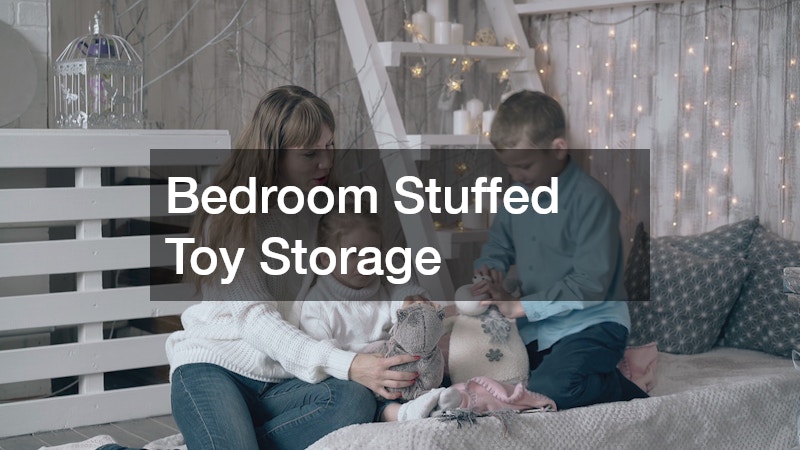
The bedroom is often where children keep their favorite stuffed animals, which can quickly accumulate on beds, floors, and shelves. A smart approach to bedroom stuffed toy storage ensures that toys are accessible, safe, and neatly organized.
One popular option is under-bed storage bins. These sliding drawers or shallow containers make use of otherwise wasted space, keeping toys out of sight while still within easy reach for children. For added organization, consider clear or labeled bins to separate toys by type, size, or theme.
Toy hammocks are another creative solution, ideal for lightweight stuffed animals. Hanging a net in a corner of the room not only frees up floor space but also adds a fun visual element that children enjoy.
Shelves or cubbies are perfect for vertical storage, keeping frequently used toys at eye level while maximizing floor space. Consider color-coded bins or baskets on these shelves for categorization and easy cleanup. You can even integrate some multi-purpose furniture, such as beds with drawers or benches with compartments, to combine storage and functionality.
By strategically using under-bed bins, hammocks, and shelving, you can transform a cluttered bedroom into a tidy, inviting space while teaching kids responsibility and care for their belongings.
Playroom Stuffed Toy Storage
Playrooms are often the busiest spaces in the home, where children spend hours engaged with a variety of toys. Effective playroom stuffed toy storage not only keeps the room tidy but also helps children develop organizational habits.
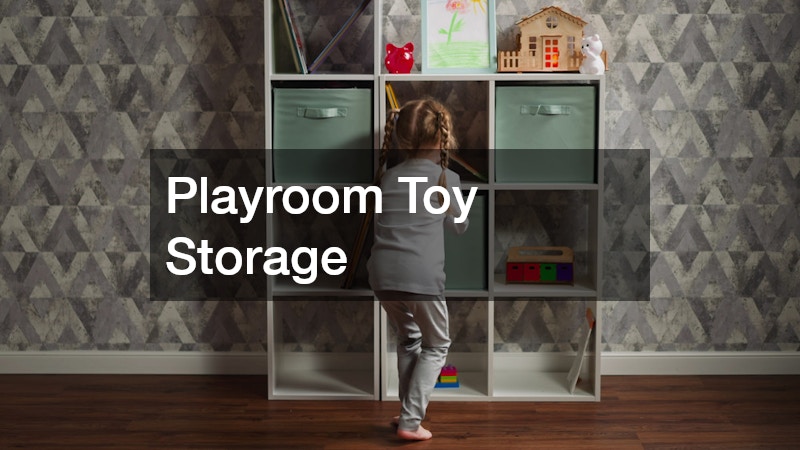
Cube organizers or cubby systems are ideal for dividing toys into categories, making it easier for kids to locate and return items. Use baskets or bins in each cubby for small or medium-sized stuffed toys. Clear bins allow children to see what’s inside, reducing the chances of toys being left out and forgotten.
Wall-mounted shelves are another great way to maximize floor space. Display favorite stuffed animals on higher shelves to keep them out of the way while also creating a decorative element.
Implementing a toy rotation strategy can also reduce clutter. Keep only a selection of toys available at a time, storing the rest in bins or boxes. Rotating toys every few weeks keeps children engaged with different items and prevents overwhelming messes. Label bins or use color codes to make rotation simple and encourage kids to participate.
Consider combining storage solutions with fun, interactive elements—like labeled bins with pictures or themed cubbies—to make cleanup a game. This encourages children to take ownership of their space and fosters a sense of pride in maintaining organization.
Small-Space Stuffed Toy Storage
For families with limited space, compact stuffed toy storage solutions are essential. Even in small bedrooms or shared areas, there are creative ways to keep toys organized without sacrificing living space.
Hanging shoe organizers can be repurposed for stuffed toys. The pockets are perfect for small to medium plush toys and can be hung on closet doors, walls, or behind doors to save floor space.
Over-the-door pockets and wall-mounted pouches provide additional storage for toys and can be easily reached by children. These options are lightweight, inexpensive, and flexible, making them ideal for apartments or rooms with minimal square footage.
Foldable bins or baskets are another practical solution. They can be stored under beds, in closets, or stacked when not in use, offering mobility and versatility. Rolling bins or carts add even more convenience, allowing kids to move their toys from one room to another without hassle.
By focusing on vertical space and portable storage options, even the smallest rooms can stay tidy while keeping toys accessible and encouraging kids to maintain organization.
Creative and Budget-Friendly DIY Stuffed Toy Storage Ideas
For families looking to organize their kids’ stuffed toys without spending a fortune, DIY storage solutions offer a practical and creative approach. With a few simple materials, you can repurpose household items, add personal touches, and create storage that’s both functional and fun.
One popular method is to repurpose crates and baskets. Wooden crates, for example, can be stacked or mounted on walls to form a customizable storage system. Paint or decorate them to match your room’s theme, and use fabric liners or small baskets inside to separate toys by size or type. Similarly, woven baskets and fabric bins are perfect for keeping larger stuffed animals tidy while maintaining a cozy, homey look.
Bookshelves also double as effective toy storage. Add bins or baskets to each shelf to hold medium-sized plush toys, or use the top surface to display favorites. Adjustable shelves are ideal because they can be reconfigured as your child’s collection grows. For smaller toys, clear jars or containers on a shelf can make cleanup easier while allowing kids to see all their stuffed friends at a glance.
Pegboards and wall-mounted hooks are excellent for creating vertical storage. Hang stuffed animals with carabiners, S-hooks, or small clips. This keeps toys off the floor, creates a visually appealing display, and frees up valuable floor space. Pegboards also allow for interchangeable storage, so you can rotate toys in and out as needed.
A key component of DIY storage is labeling. For younger children, use pictures or icons to indicate what goes in each bin or shelf. Older kids can benefit from color-coded or named labels, making cleanup a fun and educational activity. Involving children in labeling teaches responsibility and helps them develop organizational skills from an early age.
Another creative idea is to transform unused furniture or everyday items into storage solutions. For example, an old shoe organizer can be hung on a door to hold plush toys. Laundry baskets or under-bed rolling containers can store seasonal or less-used stuffed animals. Even large storage ottomans can serve as both seating and toy storage, offering a dual-purpose solution that’s perfect for living rooms or bedrooms.
Finally, consider a rotating toy system for DIY setups. Store some toys away in bins or boxes and periodically swap them with the toys on display. This keeps your child’s interest high, reduces clutter, and allows you to manage limited storage efficiently.
By combining repurposed items, creative labeling, and interactive organization strategies, you can build a budget-friendly stuffed toy storage system that’s practical, visually appealing, and tailored to your home. This DIY approach also encourages kids to take part in cleanup, fostering responsibility while keeping your home clutter-free.
Stylish Storage That Complements Room Décor
Keeping stuffed toys organized doesn’t mean sacrificing style. With the right storage solutions, you can maintain a tidy, clutter-free space while enhancing your room’s décor. Stylish stuffed toy storage blends functionality with aesthetics, creating a visually pleasing environment for both children and adults.
Neutral baskets and bins are a simple yet effective solution. Woven or fabric baskets in soft, muted tones can store plush toys while complementing living room or bedroom décor. These baskets can be placed on shelves, under tables, or even in corners, seamlessly integrating into your interior design without looking out of place.
Wooden toy chests offer a classic and durable storage option. Many modern designs double as seating, providing both practicality and style. Opt for chests with smooth finishes, rounded edges, and safety hinges to ensure they are child-friendly. Personalize them with paint, decals, or stencils to match your room’s theme or your child’s personality.
Hidden storage within furniture is perfect for families seeking a clutter-free aesthetic. Storage ottomans, benches with compartments, or beds with built-in drawers allow you to tuck away stuffed toys without compromising design. This approach not only maintains a neat appearance but also encourages children to store toys after playtime.
Incorporating vertical storage solutions—like floating shelves or wall-mounted cubbies—keeps toys off the floor and adds decorative flair. Displaying a few favorite stuffed animals in an organized manner creates a playful and personalized feature in the room.
By choosing storage options that blend with your existing décor, you create a harmonious environment where toys are accessible, rooms feel spacious, and style is never compromised. Stylish storage solutions not only enhance the look of your home but also encourage kids to maintain organization as part of daily routines.
Teaching Kids to Stay Organized
Encouraging children to maintain a tidy space is essential for both their development and a clutter-free home. Teaching kids tidiness with stuffed toys can be fun, engaging, and educational, fostering habits that last a lifetime.
Color-coded bins are a simple yet effective tool. Assign a specific color to each type of toy—plush animals, action figures, or dolls. This not only helps children identify where each toy belongs but also turns cleanup into a game. For younger children, adding pictures to the bins can guide them visually, making organization easier and more intuitive.
Tidy-up routines instill consistency. Set aside a specific time each day for children to put away their toys, such as before meals or bedtime. Breaking tasks into small, manageable steps—like picking up all stuffed animals first—helps kids avoid feeling overwhelmed. A routine fosters a sense of responsibility while making cleaning up part of their daily habit.
Reward-based strategies add motivation and positive reinforcement. Simple incentives, such as stickers, praise, or a small treat, encourage children to participate eagerly in the cleanup process. Over time, intrinsic motivation develops as children see the immediate benefits of an organized space, such as more play area and easy access to their favorite toys.
Involving children in creating the storage system also builds ownership. Let them choose bins, labels, or storage spots within reason. When kids have a say in their environment, they are more likely to respect and maintain the organization system.
Lastly, lead by example. Children often emulate adult behavior, so maintaining your own tidiness around toys and other household items reinforces the importance of organization. By combining color-coded bins, structured routines, reward systems, and active participation, parents can cultivate an organized, stress-free environment while teaching valuable life skills.
Safety Considerations in Toy Storage
Ensuring that stuffed toy storage is safe is just as important as keeping it organized. Poorly designed storage can pose hazards, from tipped-over furniture to toxic materials. Here are key tips to create a child-safe storage environment:
Avoid heavy bins and chests that children cannot lift safely. Opt for lightweight storage containers or bins with handles that are easy for little hands to move. If using larger furniture, make sure it has soft-close lids or safety hinges to prevent finger injuries.
Rounded edges and corner protectors help reduce the risk of bumps and bruises in active play areas. Many modern storage solutions are designed with child safety in mind, incorporating smooth finishes and protective edges.
Choose non-toxic, eco-friendly materials for all storage items. Fabric bins, wooden chests, and painted furniture should be free of harmful chemicals, especially if children frequently touch or handle them. Checking product labels and certifications ensures safer options.
Anchor tall furniture such as shelves, bookcases, or cabinets to the wall. This prevents tipping accidents, particularly when children climb or pull on them to reach toys. Wall-mounting or using brackets adds an extra layer of protection.
By implementing these safety measures, parents can create a child-friendly, organized space for stuffed toys that minimizes risks while promoting independence. Safe storage encourages children to play and tidy up confidently without unnecessary hazards.
Best Stuffed Toy Storage Products in Australia
Organizing stuffed toys can be both functional and stylish with the right storage solutions. Here are some top Australian retailers offering quality options:
Kmart Australia
Kmart provides a wide range of affordable storage solutions, including fabric bins, toy boxes, and shelving units. Their products are known for being budget-friendly and practical, making them a popular choice for families looking to organize toys without breaking the bank.
Bunnings Australia
Bunnings offers a variety of storage options, from plastic bins to wooden toy chests. Their products are designed for durability and functionality, catering to different storage needs and preferences.
IKEA Australia
IKEA’s TROFAST storage system is a versatile option, combining bins and frames to create customizable storage solutions. Known for its durability and sleek design, IKEA offers a range of sizes to fit various spaces.
Fantastic Furniture
Fantastic Furniture provides stylish and functional storage options, including toy boxes and storage units. Their products are designed to complement modern home décor while offering practical storage solutions.
Comparison Overview:
| Retailer | Affordability | Durability | Design Style |
| Kmart | High | Moderate | Simple & Practical |
| Bunnings | Moderate | High | Functional |
| IKEA | Moderate | High | Sleek & Customizable |
| Fantastic Furniture | Moderate | High | Stylish & Modern |
Common Stuffed Toy Storage Mistakes to Avoid
Even with the best intentions, parents can make storage mistakes that reduce efficiency, safety, or accessibility. Being aware of these pitfalls can help create a well-organized and functional space for stuffed toys.
Oversized bins: While it may seem practical to store all toys in one large container, oversized bins can be difficult for children to access. Kids may struggle to reach the toys at the bottom, leading to frustration and less frequent tidying. Instead, use smaller, child-friendly bins that allow easy access and encourage independent cleanup.
Excessive closed storage: Fully enclosed storage like lidded chests can hide toys out of sight, but if overused, they may cause children to forget or neglect certain toys. Balance closed storage with open shelving or clear bins to maintain visibility and engagement with the toys.
Ignoring safety considerations: Heavy furniture, unstable shelving, or sharp edges can pose risks. Always ensure storage items are lightweight, childproofed, and, where necessary, anchored to the wall to prevent tipping hazards.
Not rotating toys: Having all toys accessible at once can overwhelm children and lead to clutter. Implement a toy rotation system: keep some toys stored away and rotate them periodically. This keeps the play experience fresh and reduces mess.
By avoiding these mistakes, parents can maintain a safer, more organized, and more enjoyable play environment for children. A thoughtful approach ensures toys are accessible, the room is clutter-free, and safety is prioritized.
Final Tips for Parents
Keeping stuffed toys organized can feel like a never-ending task, but with the right strategies, it can become manageable and even enjoyable. Here are some practical tips for parents to maintain a clutter-free and organized play space:
Rotate Toys Regularly: Instead of keeping all toys out at once, implement a rotation system. Store some toys away and swap them periodically. This not only reduces clutter but also keeps children engaged and excited about their playthings.
Donate Unused Toys: Encourage children to declutter by donating toys they no longer use. This teaches generosity, helps families manage space, and prevents unnecessary accumulation of items.
Invest in Adaptable Storage: Choose storage solutions that can grow with your child. Adjustable shelves, modular cubes, and versatile bins allow you to adapt as toys and needs change. Durable furniture that doubles as storage—like toy chests that can serve as seating—offers long-term value.
Involve Kids in Clean-Up: Make tidying up a fun, interactive part of their routine. Use color-coded bins, charts, or simple checklists to guide them. Reward systems, like stickers or praise, can motivate children and instill responsibility from a young age.
Maintain Consistency: Set daily or weekly tidy-up routines. Even five minutes at the end of the day can prevent messes from piling up and make organization a habit rather than a chore.
By implementing these strategies, parents can create a safe, organized, and child-friendly environment. Smart storage habits not only protect toys but also teach children valuable lessons in responsibility and tidiness, leading to a calmer, clutter-free home.
Conclusion
Organizing stuffed toys is more than just a matter of tidiness—it contributes to a happier, safer, and more functional family home. A well-thought-out storage system reduces clutter, prevents accidents, and preserves your children’s favorite toys for years to come. Beyond physical organization, it also teaches kids responsibility, encouraging them to care for their belongings and maintain clean spaces.
Starting small is often the best approach. Simple solutions like baskets, bins, toy hammocks, or a dedicated play corner can make a noticeable difference. These options are easy to implement and can evolve as your child grows and their collection expands. Even minor adjustments, such as color-coded bins or rotation systems, can transform a chaotic room into an organized haven.
Creative storage strategies don’t need to compromise your home décor. Stylish bins, hidden storage furniture, or multifunctional pieces allow you to keep toys neatly tucked away while maintaining a visually appealing space. Budget-friendly DIY solutions also offer fun opportunities to involve kids in organization, making clean-up a shared family activity rather than a chore.
Adopting smart, practical stuffed toy storage solutions today sets the foundation for a clutter-free, enjoyable, and child-friendly environment. Start with simple steps, experiment with what works best for your home, and gradually build a system that balances accessibility, safety, and style. With consistent effort, your home can remain organized, peaceful, and welcoming for the whole family.